The Platform
One platform. Three products. Every layer.
Compass watches every site. Meshnode runs in every site. Home is the app every subscriber uses. All three sit on the same AI stack the rest of the industry teaches. We just built more of it.
Inside the platform
Three products. One operator console. Every layer.
136,262 clients. 194 locations. 398 nodes.
All live, on one platform. Not a demo, not a screenshot from a deck. The actual customer environment.
In production at
The AI stack
AI is built in four layers. Airfy lives in two.
Application sits at the top — voice, apps, agents. Models in the middle. Infrastructure underneath that — networks, identity, hardware. Silicon at the bottom. Airfy lives in Infrastructure (where most of our work is) and Application (where Compass and Home meet the user). Twenty years building that layer.
Same diagram as the Hub. Same diagram investors see. Same diagram the industry teaches.
Three products on the stack
Compass, Meshnode, Home. The whole platform fits in three names.
Other vendors split this into six or eight sub-brand names. We collapse it into three. Less to learn, less to maintain, less to argue about in your renewal meeting.
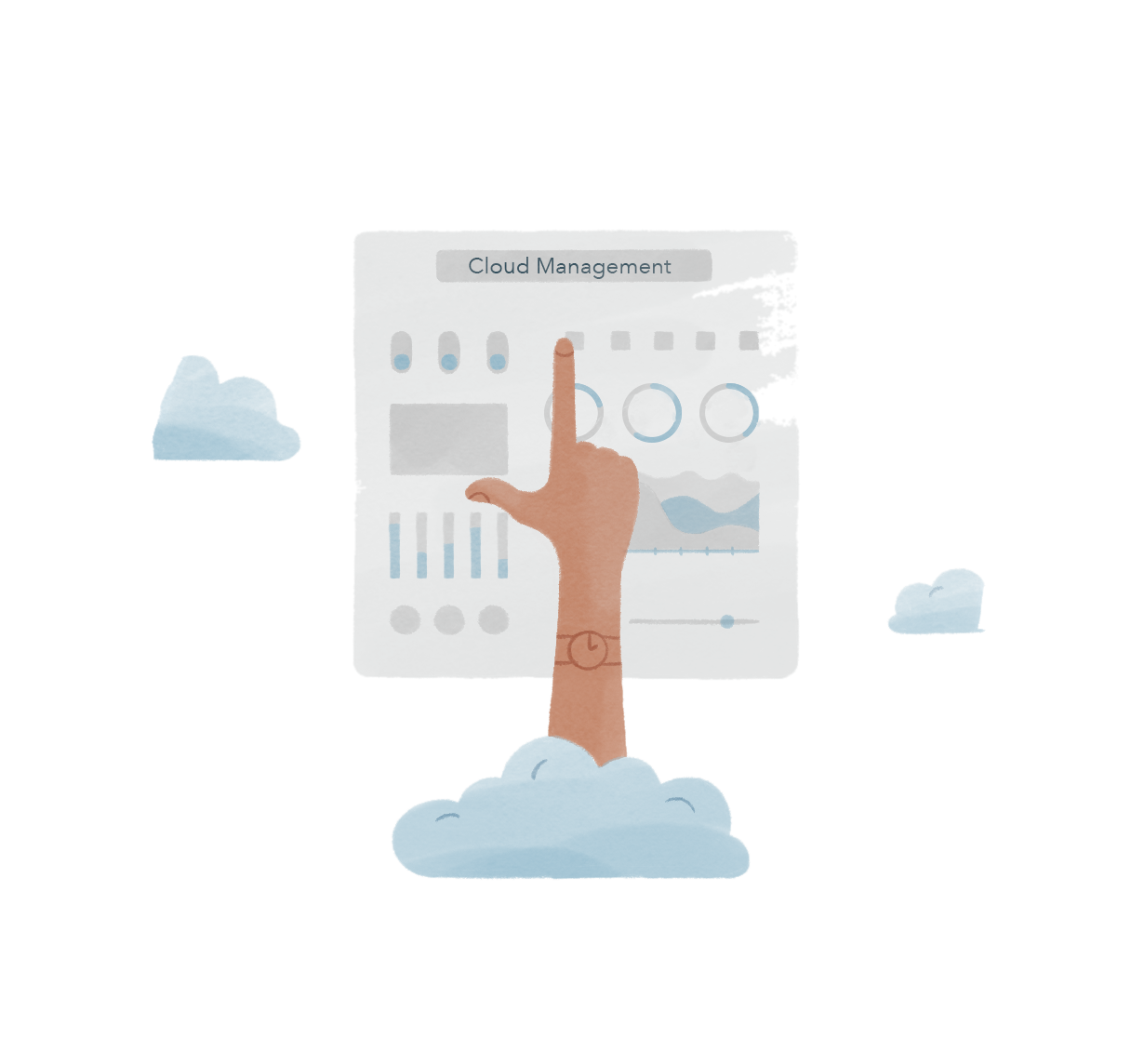
Airfy Compass
Multi-tenant dashboard, real-time visibility per site, AI auto-resolve, LLM operator interface, white-label. The screen your network team lives in.
- Multi-vendor
- MCP tools
- AI auto-resolve
- EU + US residency
Airfy Meshnode
Mesh hardware plus secure overlay networking. Whole-home WiFi mesh, multi-site WireGuard, zero-config NAT traversal. Bring your own hardware or buy ours.
- many supported boards
- WireGuard core
- open-source firmware
- Zero-config setup
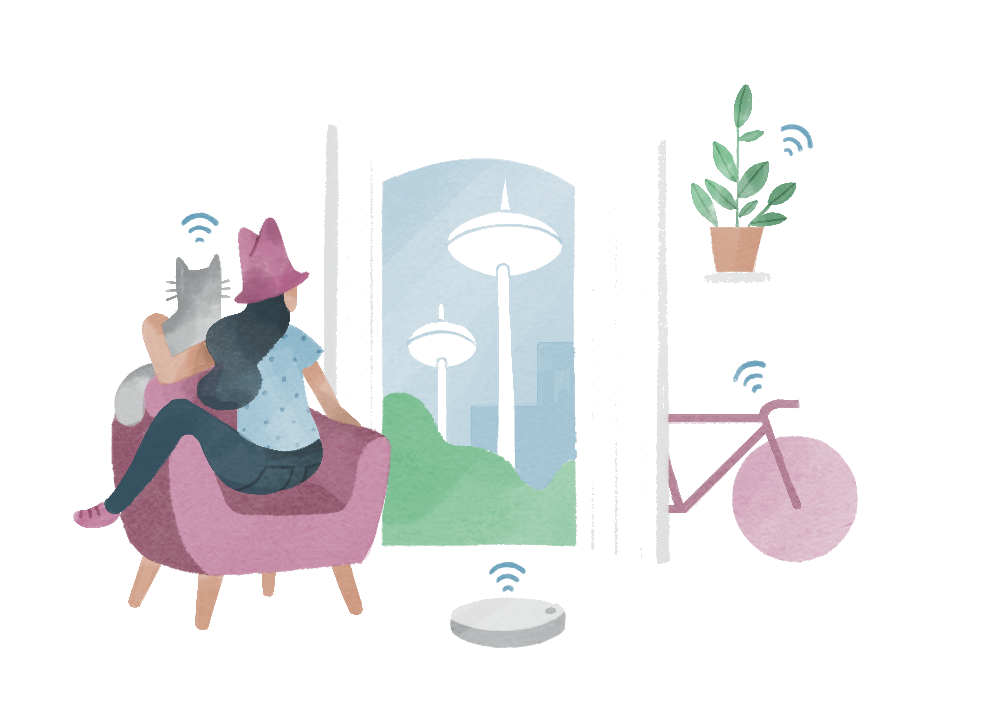
Airfy Home
Co-brandable consumer app for end users. Personal passwords, one-tap pause, schedules per child, guest WiFi. Your brand on the cover, Airfy in the engine.
- Co-brandable
- MPSK
- One-tap pause
- Schedules per identity
How the work splits
Edge handles the radio. Cloud handles the brain.
Clean separation. The router runs an open-source firmware that's small, auditable, and fast. Everything else runs on the cloud control plane: AI, analytics, compliance, dashboards. You can put that cloud anywhere — our datacenter, your VM, your bare metal.
On the router (Edge)
Open source, auditable
- WiFi managementConfiguration, band steering, client tracking
- Identity at the radioMPSK personal passwords, RADIUS, certificates
- Mesh + roamingSelf-healing topology, seamless handoff
- Local AI inferenceOn-device DPI and anomaly detection on Airfy nodes
- Encrypted backhaulCloud comms over MQTT-TLS or WireGuard
- Atomic config rollbackUpdates that fail roll themselves back
In the cloud (Brain)
Self-hostable, multi-tenant
- Operator dashboardMulti-tenant, multi-site, role-based
- Agentic auto-resolveAI agents close most tier-1 tickets without humans
- Policy engineRule-based automation that follows users, not ports
- Compliance + auditGDPR, SOC 2 (in progress), exportable audit log
- Analytics + SLATraffic, clients, health, SLA tracking
- LLM gateway (MCP)Claude, GPT, Gemini, or your agent talks to the network
Built on twenty years of production code. Actively shipped for ten.
Questions buyers actually ask.
The full stack. Open. Yours.
Three products. One AI stack. Self-hostable. Multi-vendor. The infrastructure layer the rest of the industry teaches, built by people who shipped it for two decades.